
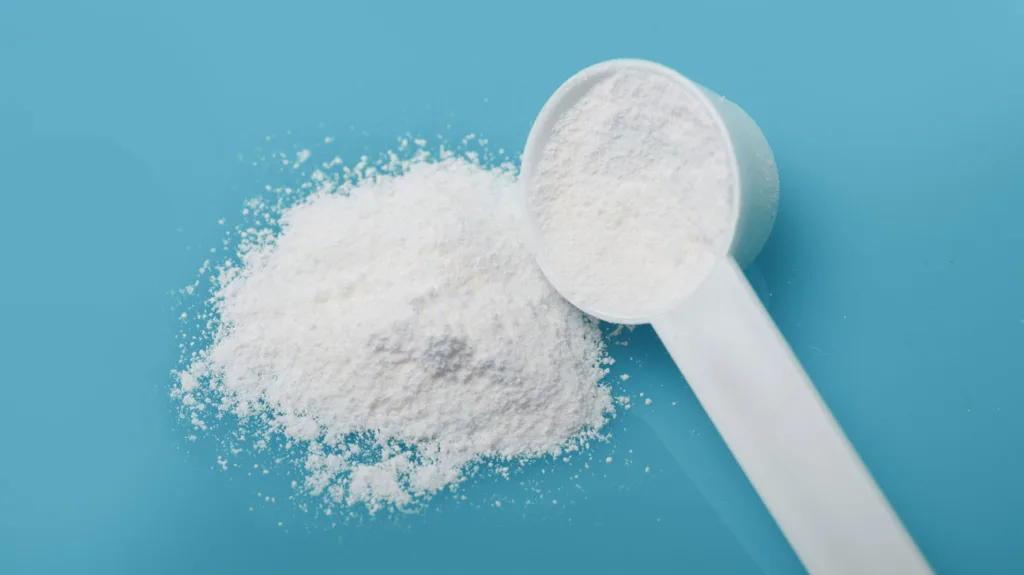
In the world of fitness and sports supplementation, few substances have stood the test of time quite like creatine. Widely acclaimed for its ability to enhance performance and promote muscle growth, creatine has become a staple in the regimen of athletes, bodybuilders, and fitness enthusiasts alike. In this blog, we will delve into the science behind creatine, its various forms, and how it can be effectively incorporated into your fitness routine.
Understanding Creatine:
Creatine is a naturally occurring compound found in small amounts in certain foods and synthesized within the body. It plays a crucial role in the energy production system, particularly during short bursts of high-intensity activities like weightlifting or sprinting. The primary sources of creatine in the diet include red meat, fish, and poultry.
Forms of Creatine:
Several forms of creatine are available on the market, with creatine monohydrate being the most researched and widely used. Other variations, such as creatine ethyl ester and buffered creatine, claim to offer improved absorption or reduced side effects, but scientific evidence supporting these claims is limited.
Creatine and Energy Production:
Creatine functions by increasing the body’s store of phosphocreatine, a compound that helps regenerate adenosine triphosphate (ATP). ATP is the primary energy currency of the cell and is rapidly depleted during short bursts of intense activity. By enhancing the availability of phosphocreatine, creatine allows for a more efficient regeneration of ATP, leading to increased energy availability during high-intensity exercises.
Performance Enhancement:
Numerous studies have consistently demonstrated creatine’s ability to enhance strength, power, and performance during resistance training and short-duration, high-intensity activities. Athletes and weightlifters often experience improved performance, allowing for more significant gains in muscle mass and strength.
Muscle Growth and Recovery:
Creatine’s role in muscle growth extends beyond its impact on energy production. It has been shown to increase water content within muscle cells, leading to cell volumization. This process creates an environment conducive to protein synthesis, promoting muscle hypertrophy or growth. Additionally, creatine may reduce muscle cell damage and inflammation, potentially speeding up the recovery process between workouts.
Safety and Side Effects:
Creatine is generally considered safe when used as directed, with minimal reported side effects. However, some individuals may experience gastrointestinal discomfort or muscle cramping. Staying adequately hydrated can mitigate these issues. As with any supplement, it’s crucial to consult with a healthcare professional before incorporating creatine into your routine, especially if you have pre-existing health conditions.
Usage Guidelines:
For optimal results, creatine is often consumed in a loading phase, where higher doses are taken for the first 5-7 days to saturate the muscles, followed by a maintenance phase with lower doses. A common dosing strategy involves taking 3-5 grams of creatine monohydrate per day, either before or after workouts.
Conclusion:
Creatine stands as a testament to the enduring efficacy of certain sports supplements. Its well-established benefits in enhancing performance, promoting muscle growth, and expediting recovery have solidified its place in the fitness industry. However, individual responses may vary, and it’s essential to approach supplementation with a well-informed perspective. When used responsibly and in conjunction with a balanced diet and regular exercise, creatine can be a valuable tool in achieving your fitness goals.